
Trauma
Home IDEL Diagnostic Programme Subluxations of the Spine
IDEL test 05 of 13Subluxations of the Spine and osteopathy
A spinal subluxation refers to a misalignment of the spinal vertebrae, disrupting the normal functioning of the nervous system.
01Spinal subluxations
When a vertebra is out of line
Spinal subluxations, also known as vertebral misalignments, are a common yet often overlooked condition that can have far-reaching effects on overall health and well-being. When the spinal vertebrae become misaligned, nerve interference can occur, leading to a host of health problems. In this article, we delve into the causes and consequences of spinal subluxations and explore the corrective measures available to restore spinal alignment and promote optimal health.
A spinal subluxation refers to a misalignment of the spinal vertebrae, disrupting the normal functioning of the nervous system. These misalignments can result from various factors, including trauma, poor posture, repetitive stress, emotional stress, or even the natural aging process. When the vertebrae are misaligned, they can impinge upon or irritate nearby nerves, disrupting the flow of information between the brain and the body.

What can cause a misalignment
Poor posture
Repetitive stress
Emotional stress
The natural aging process
02Osteopathy
The principles of osteopathy: enhancing health and well-being
Osteopathy is a holistic healthcare approach that focuses on the body’s structure and its role in maintaining overall health and well-being. Developed in the late 19th century by Dr. Andrew Taylor Still, osteopathy embraces a set of principles that guide practitioners in assessing, diagnosing, and treating patients. By understanding the interconnectedness of the body’s systems, osteopaths aim to restore balance and optimize the body’s self-healing mechanisms.
- Late 19th century
Developed by Dr. Andrew Taylor Still
- A set of principles
Assessing, diagnosing, and treating patients
- The aim
Restore balance and optimize the body’s self-healing mechanisms
03Principles of osteopathy
Four principles that guide every treatment
The Body is a Unit
Osteopathy recognizes that the body functions as a whole, with each part influencing and being influenced by the others. Instead of focusing solely on the site of pain or symptoms, osteopaths view the body as an integrated unit. By considering the interrelationships between various systems, they aim to identify and address the root causes of dysfunction or disease.
The Body has Inherent Self-Healing Mechanisms
Osteopathy believes in the body’s innate ability to heal itself. Osteopaths facilitate this natural healing process by removing barriers that hinder optimal function. By addressing structural imbalances, improving circulation, and reducing restrictions, osteopathic treatment aims to enhance the body’s self-regulatory and self-healing mechanisms.
Structure and Function are Interrelated
The structure of the body, including the bones, muscles, ligaments, and organs, is intricately connected to its function. Any alteration in the structure can impact the body’s physiological processes and vice versa. Osteopaths evaluate and treat the musculoskeletal system to improve overall function, understanding that optimal structure supports optimal function and vice versa.
Treatment is Individualized
Osteopathy emphasizes personalized care tailored to each patient’s unique needs. Osteopaths consider a patient’s medical history, lifestyle, and specific symptoms to develop a comprehensive treatment plan. They employ a range of manual techniques, including soft tissue manipulation, joint mobilization, and stretching, to address the underlying causes of dysfunction and promote healing.
04Benefits of osteopathy
Where osteopathy can help
Musculoskeletal Conditions
Osteopathy is well-known for its effectiveness in treating a wide range of musculoskeletal conditions such as back pain, neck pain, joint problems, and sports injuries. By addressing imbalances in the musculoskeletal system, osteopaths can alleviate pain, improve joint mobility, and enhance overall function. They may also provide exercises and lifestyle advice to support long-term recovery and prevent future issues.
Pain Management
Osteopathy takes a comprehensive approach to pain management, aiming to identify and treat the root causes of pain rather than solely focusing on symptom relief. By addressing musculoskeletal imbalances, improving circulation, and reducing inflammation, osteopaths can help manage chronic pain conditions such as arthritis, fibromyalgia, and headaches. The holistic nature of osteopathic treatment can also contribute to improved mental and emotional well-being in patients dealing with chronic pain.
Pregnancy and Postnatal Care
Osteopathic treatment can provide significant benefits for pregnant women and new mothers. Osteopaths can help address common musculoskeletal issues during pregnancy, such as back pain and pelvic discomfort, by improving alignment, reducing tension, and supporting optimal function. Additionally, postnatal osteopathic care can aid in the recovery from childbirth, addressing issues like postural imbalances, breastfeeding difficulties, and pelvic floor dysfunction.
Digestive and Respiratory Conditions
Osteopathy recognizes the close relationship between the musculoskeletal system and the digestive and respiratory systems. Osteopathic techniques can help improve digestion by addressing restrictions and imbalances that may contribute to issues such as acid reflux, bloating, and constipation. In respiratory conditions like asthma and chronic obstructive pulmonary disease (COPD), osteopathic treatment can help optimize breathing mechanics, enhance lung function, and improve overall respiratory health.
Osteopathy is a holistic healthcare approach that recognizes the interconnectedness of the body’s systems and aims to restore balance and optimal function.
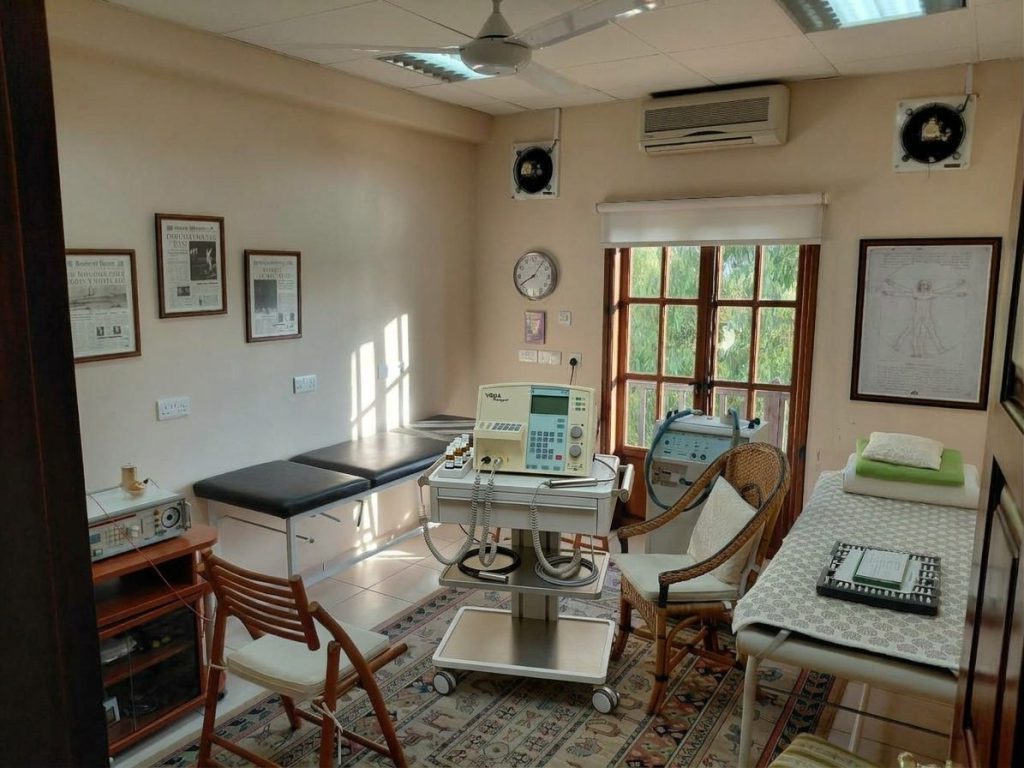
05At the Da Vinci Centre
Beyond osteopathy, a holistic approach
By addressing the underlying causes of dysfunction and promoting the body’s self-healing mechanisms, osteopathy offers a comprehensive approach to healthcare. From musculoskeletal conditions to pain management, pregnancy care, and digestive and respiratory issues, osteopathy has the potential to provide significant benefits to patients of all ages. If you are considering osteopathic treatment, it is advisable to consult with a qualified and licensed osteopath to receive personalized care that addresses your specific health concerns.
06Watch
Osteopathy on video
IDEL test 05 of 13
Spinal assessment is part of your diagnostic day
Complete the PATIENT ASSESSMENT FORM and email this to [email protected] – we will respond with specifics to your case.
Tel: (+357) 24-82 33 22 Fax: (+357) 24-82 33 21 Aradippou, Larnaca, Cyprus


