
Book a consultation

Home IDEL Diagnostic Programme Autonomic Response Testing (ART)

IDEL test 04 of 13

Autonomic Response Testing ART

Autonomic Response Testing (ART) has taken the art and science of muscle testing to an entirely different level. For the clinicians who find themselves working with more difficult and confusing cases, ART offers a fairly quick and accurate method of finding the underlying causative factors.
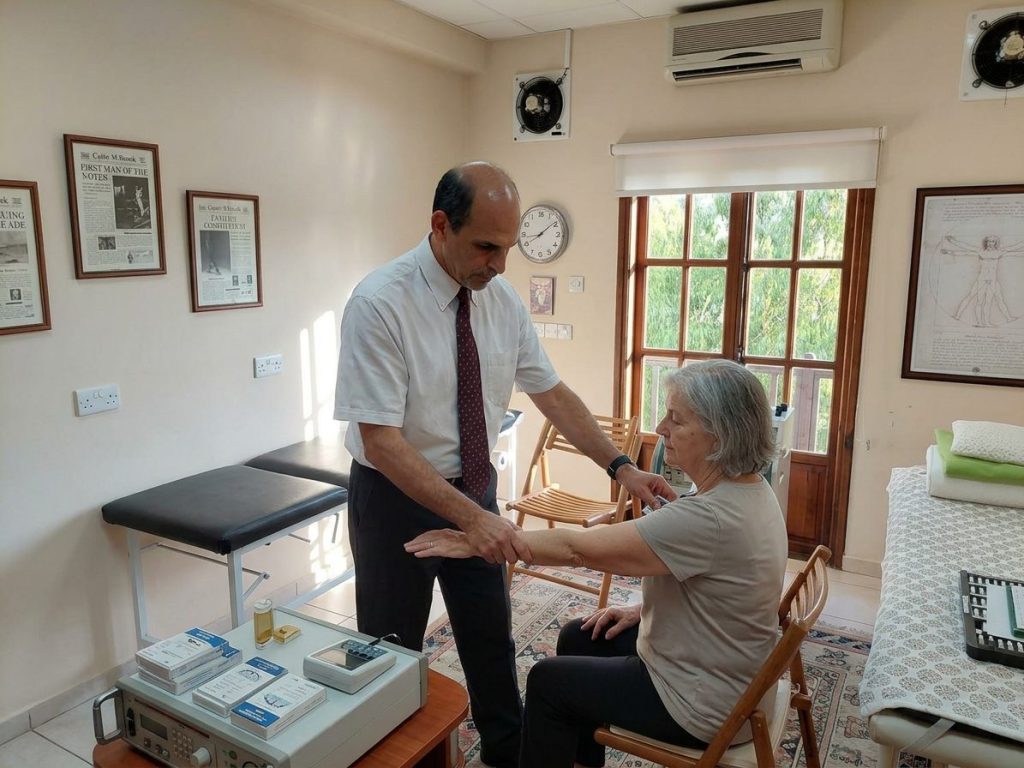
Dr. George Georgiou testing a patient’s arm muscle response Dr. George Georgiou testing a patient’s arm muscle response
7common factors behind ‘blocked regulation’
19issues that can cause the ANS to not function properly
6testing techniques combined, from kinesiology to heart rate variability
Sub-clinicaldeficiencies it can uncover

01What is Autonomic Response Testing

Muscle testing, taken to an entirely different level

Autonomic Response Testing (ART) grew out of the importance of detecting and correcting problems of the autonomic nervous system. ART allows the doctor to correct the problems of the ANS and to help restore the self-regulating mechanism of the body allowing the patient to return to a state of health. Autonomic Response Testing (ART) is a system of evaluation and treatment developed by Dietrich Klinghardt, MD, Ph.D and Louisa Williams, DC, ND. Dr. Klinghardt is a German trained physician who also has a Ph.D in neurology. ART uses Applied Kinesiology, Electroacupuncture (EAV), O-Ring testing, Nogier pulse, Chinese pulse, heart rate variability and other techniques to assess the health or dysfunction of the autonomic nervous system.

Muscle testing

Techniques ART uses

Applied Kinesiology

Electroacupuncture (EAV)

O-Ring testing

Nogier pulse

Chinese pulse

Heart rate variability

02Blocked regulation

When the ANS cannot self-regulate

Dr. Klinghardt believes that many practitioners using kinesiology or muscle testing in their practice are often getting inaccurate information because the autonomic nervous system is not functioning properly.

In ART, this condition is called ‘blocked regulation’ and refers to the inability of the ANS to self-regulate and is caused by 7 common factors. These include: undiagnosed food allergies, heavy metal toxicity, petroleum chemical toxicity, chronic unresolved infections and scars, temporomandibular joint dysfunction (TMJ), unresolved psychological stress, and electromagnetic stress.

Dr. Klinghardt has developed specific tests for these factors and treatments to correct them.

Blocked regulationcaused by 7 common factors
  • Undiagnosed food allergies
  • Heavy metal toxicity
  • Petroleum chemical toxicity
  • Infections and scars
  • TMJ dysfunction
  • Unresolved psychological stress
  • Electromagnetic stress

03What can block the ANS

Issues that can cause the ANS to not function properly

There are many issues that can cause the ANS to not function properly. Most are included in this group:

Jewelry including glasses, watches, and beepers

Food Allergies

Psychological Issues

Spiritual Issues

Dehydration

Nutritional Deficiencies

Heavy Metals

Infections

Geopathic Fields

Electromagnetic Stress

Synthetic clothing, underwire bras, cell phones, pagers

Malocclusion

Structural Problems

Scars

Reverse Organ Spin

Solvents, pesticides, herbicides

Toxic Nerve Ganglia

Man-made prostheses

Visual Issues

04Your first visit

What happens during the first visit

  1. 01

    Looking for what blocks regulation

    During the first visit, a doctor using ART will evaluate the patient with special attention to identifying any of the factors that are blocking a patient’s ANS regulation.

  2. 02

    History and physical exam

    This is accomplished through a review of the patient’s medical and dental history and a physical exam that includes kinesiology and nervous system evaluation.

  3. 03

    A plan to correct the problems

    Once the blockages have been identified, the doctor will choose a treatment plan that will correct these problems.
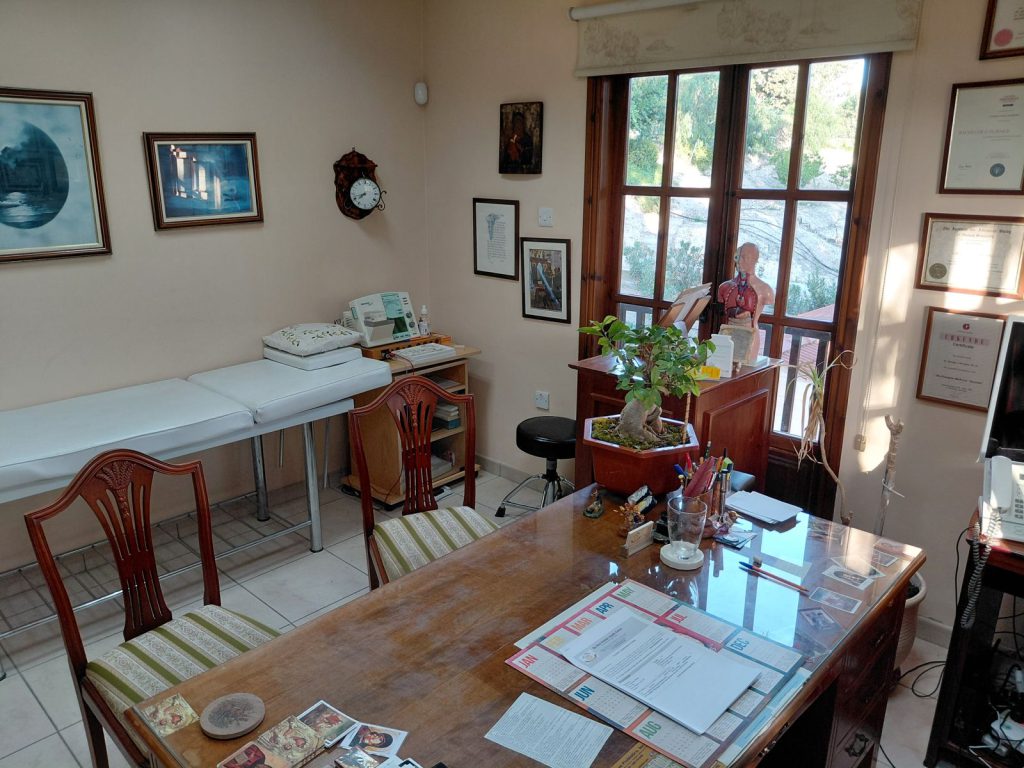
The consulting room at the Da Vinci Centre

05A typical visit

From what is found to what is done

A typical visit may reveal that a patient has severe wheat allergies, heavy metal toxicity from the mercury in their teeth, and a scar from a past appendix surgery that are all causing stress on the ANS. The primary treatment for this patient would include scar therapy (using neural therapy, wheat germ oil, or cold laser), dietary advice to avoid wheat and gluten grains, and a referral to a biological dentist to replace the mercury fillings with a bio-compatible material. In addition, the doctor may prescribe natural remedies including homeopathic drainage, vitamins, minerals, herbs, essential fatty acids, amino acids, exercise, meditation etc.

Example: one patient, three stresses on the ANS

  1. Severe wheat allergies
    Dietary advice to avoid wheat and gluten grains
  2. Heavy metal toxicity from the mercury in their teeth
    A referral to a biological dentist to replace the mercury fillings with a bio-compatible material
  3. A scar from a past appendix surgery
    Scar therapy (using neural therapy, wheat germ oil, or cold laser)

In addition, the doctor may prescribe natural remedies including

Homeopathic drainageVitaminsMineralsHerbsEssential fatty acidsAmino acidsExerciseMeditation

06What ART can help

Often effective when other treatments fail

Autonomic Response Testing is often effective when other conventional and alternative treatments fail and is effective for most chronic and acute illnesses. These include but are not limited to allergies, chronic pain, chronic infections, immune problems, depression, anxiety, multiple sclerosis, chronic fatigue, fibromyalgia, pre-menstrual syndrome, menopause problems, cancer, diabetes, seizure disorders, attention deficit hyperactivity disorder, closed head injuries, sinusitis, digestive problems and many others.
AllergiesChronic painChronic infectionsImmune problemsDepressionAnxietyMultiple sclerosisChronic fatigueFibromyalgiaPre-menstrual syndromeMenopause problemsCancerDiabetesSeizure disordersAttention deficit hyperactivity disorderClosed head injuriesSinusitisDigestive problems
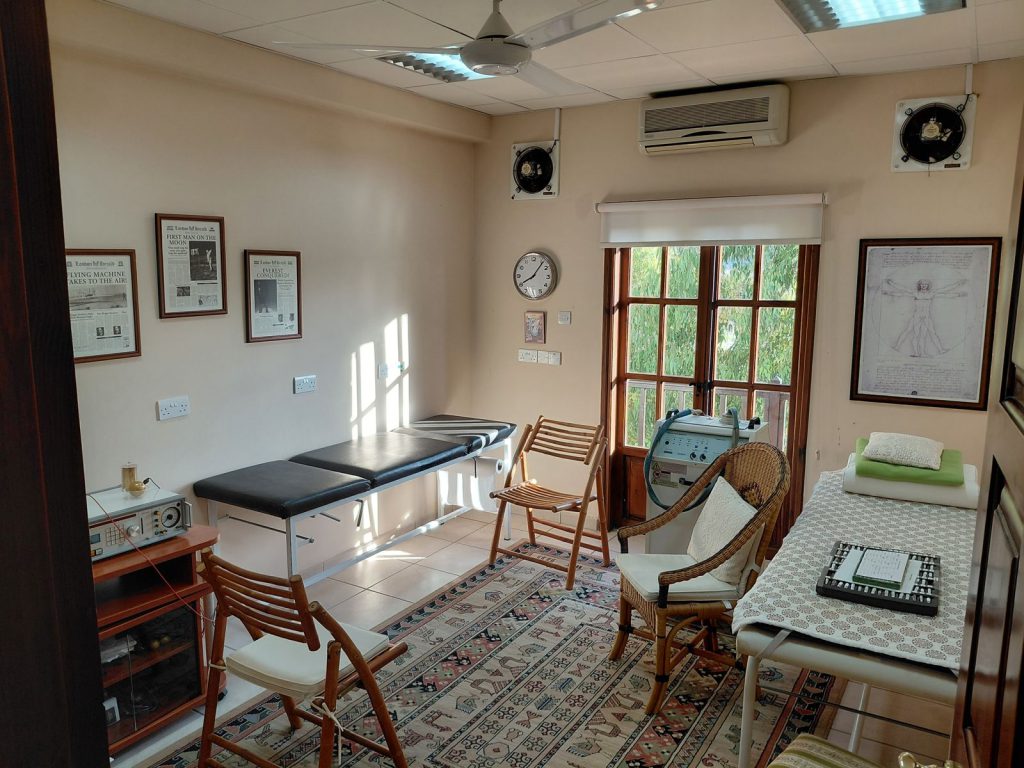
A treatment room at the Da Vinci Centre

07ART is accurate

The educated guess is no longer necessary

Until ART

Until ART, the methods of determining the body’s structural, physical and nutritional needs were costly, time consuming and at times frightening.

The only method of determining a nutritional need was by a person’s symptoms, expensive lab work, and the doctor’s knowledge of biochemistry, physiology and nutrition.

An educated guess was made.

With ART

A great degree of accuracy is possible with ART. It will even uncover deficiencies at a sub-clinical level; that is when the problem is so tiny that the person may not be aware of it, and many modern methods of testing could not detect it.

Now with ART, the educated guess is no longer necessary.

With ART, the practitioner is also able to prove to the person that the source of the problem has been located, and the proper nutritional support has been given.

Now at the Da Vinci Holistic Health Centre we use this easy and accurate method of quickly assessing the causative factors of your health problems.

ART is the finest natural method of guiding the health practitioner to the root of the problem.

08Who uses ART

Not taught in medical schools

Most of the doctors using Autonomic Response Testing are Naturopathic physicians, Medical Doctors, Doctors of Orthopedics, Chiropractors, Acupuncturists, or Dentists. ART is not taught in any of the medical schools but through a series of classes from the American Academy of Neural Therapy or the American Academy of Neural Kinesiology.

Naturopathic physiciansMedical DoctorsDoctors of OrthopedicsChiropractorsAcupuncturistsDentists

References

  • 1. Beardall, A: The Complete Works of Dr. Alan Beardall, Human Biodynamics, Portland, OR.
  • 2. Klinghardt, D, Williams, L: Autonomic Response Testing, manual, American Academy of Neural Therapy, Seattle, WA, 1996.
  • 3. Omura, Y: “Transmission of Molecular Information through Electro-Magnetic Waves with different Frequencies and its Application to Non-Invasive Diagnosis of Patients as well as Detection from Patient’s X-Ray film of Visible and Not Visible Medical Information: Part I”, Acupuncture & Electro-Therapeutics Research Journal, 1994:19:39-63

↑↓ to chooseEnter to openEsc to close