The IDEL Comprehensive Wellness Assessment is a complementary naturopathic programme that reviews your health history, nutrition, lifestyle and individual wellness needs. It is not intended to diagnose medical conditions or replace medical investigations.
Professional Disclosure: Dr George J. Georgiou is a naturopathic practitioner, not a medical doctor. The title “Dr” reflects his academic and naturopathic qualifications and does not indicate qualification or registration as a medical physician. Wherever the words “treatment,” “therapy,” “protocol” or “programme” are used on this website, they refer to naturopathic, nutritional or complementary wellness approaches—not conventional medical treatment. These services are not a substitute for medical diagnosis, treatment or emergency care.
This is a complementary wellness assessment and not a validated medical diagnostic test. Its findings should not be used to diagnose or exclude disease, or to replace laboratory tests, medical imaging or examination by a qualified medical doctor.
01Overview
What is IDEL?
The IDEL Comprehensive Wellness Assessment, developed by Dr George J. Georgiou at the Da Vinci Natural Health Centre in Cyprus, is an integrative naturopathic programme that explores the nutritional, lifestyle, environmental and other personal factors that may be influencing long-standing health concerns.
IIntegrative
DDiagnostic
EEnergetic
LLongevity
IDEL stands for Integrative, Diagnostic, and Energetic Approach to Health and Longevity.
02How it works
The key components
Depending on the client’s individual needs and circumstances, the IDEL Comprehensive Wellness Assessment may include the following key components:
Extensive Health Assessment
The programme begins with a detailed review of the client’s health history, current concerns, lifestyle, nutrition and relevant medical information. This whole-person assessment considers the physical, emotional and everyday factors that may be influencing the client’s wellbeing and helps highlight areas where additional support may be appropriate.
A number of non-invasive complementary wellness assessments may also be included, as explained below. These methods are used to inform a personalised naturopathic programme and are not intended to diagnose disease or replace medical examinations, laboratory testing or advice from a registered medical professional.
Complementary Wellness Assessments
Dr George J. Georgiou may use a selection of non-invasive complementary wellness-assessment methods to provide additional context during a consultation. Depending on the client’s circumstances, these may include bioresonance, wellness thermography, nutritional microscopy and other observational techniques.
Any findings are considered alongside the client’s health history, symptoms, lifestyle and conventional medical results. These complementary methods are used to support discussion, education and naturopathic programme planning; they do not diagnose disease, confirm physiological or biochemical abnormalities, or replace validated laboratory tests, medical imaging or examination by a registered healthcare professional.
Where symptoms or findings indicate the need for further investigation, the client will be advised to consult an appropriately qualified medical professional.
Personalised Naturopathic Wellness Programme
Following the consultation and complementary wellness assessment, Dr Georgiou may prepare a personalised naturopathic programme based on the client’s individual needs, health history and goals.
Depending on the circumstances, the programme may include nutritional guidance, herbal or homeopathic preparations, structured detoxification support, mind–body practices, appropriate supplements and practical lifestyle recommendations. Possible interactions, contraindications and relevant medical conditions are considered before recommendations are made.
The purpose is to support normal body functions, encourage sustainable health habits and promote overall wellbeing. These recommendations are complementary and are not intended to diagnose or treat chronic disease, replace prescribed medication, or substitute for care from an appropriately qualified medical professional.
03Benefits
How the Programme May Support People with Long-Term Health Concerns
For clients living with long-term health concerns, the IDEL Comprehensive Wellness Assessment may offer several supportive benefits:
Holistic Approach
The IDEL Comprehensive Wellness Assessment takes a whole-person approach, recognising that wellbeing may be influenced by interacting factors such as nutrition, physical activity, sleep, stress, emotional health, environment and personal circumstances.
The programme brings these areas together with the client’s health history and any available medical information to develop a broader picture of their individual wellness needs. Complementary energetic perspectives may also be discussed where relevant to the client, but they are not considered medical diagnostic findings.
This information is used to inform personalised naturopathic, nutritional and lifestyle recommendations—not to diagnose chronic disease or replace medical treatment.
Individualized Treatment
The IDEL programme emphasises personalised naturopathic recommendations based on each client’s health history, circumstances, priorities and wellness goals. Rather than assuming that everyone with similar concerns has the same needs, the programme explores possible contributing influences such as nutrition, sleep, physical activity, stress, medication, digestion, environment and established daily habits.
These observations help guide practical and individually appropriate nutritional and lifestyle recommendations. If a client’s history or symptoms suggest that a medical condition requires investigation, they will be advised to consult a registered healthcare professional.
The aim is to help clients make informed, sustainable changes that support their general health and long-term wellbeing. Individual experiences and outcomes will vary, and the programme does not promise to identify the cause of a disease or guarantee healing or recovery.
Integrative Care
Dr George J. Georgiou draws upon his background in biological sciences, naturopathy, clinical nutrition and complementary health when conducting the IDEL Comprehensive Wellness Assessment.
Clients are encouraged to provide relevant medical diagnoses, laboratory results, imaging reports and details of prescribed medication. This information helps ensure that any naturopathic, nutritional or lifestyle recommendations are considered within the wider context of the client’s established medical care.
The IDEL programme is intended to complement—not replace—conventional healthcare. Dr Georgiou does not provide conventional medical diagnosis or treatment, and clients should continue working with their registered medical professionals for the investigation and management of medical conditions.
Exploring Contributing Factors
Long-term health and wellbeing can be influenced by a complex interaction of factors, including nutrition, physical activity, sleep, environmental exposures, emotional stress, personal circumstances, genetics and existing medical conditions.
The IDEL Comprehensive Wellness Assessment explores those factors that fall within the scope of naturopathic practice. This can help clients recognise areas where practical dietary, lifestyle or wellbeing changes may be beneficial and support more informed, sustainable daily habits.
The programme does not claim to identify the underlying cause of a chronic disease or replace medical investigation and care. Its purpose is to complement established healthcare while supporting each client’s general wellbeing and personal health goals.
Support for Personal Wellbeing
The IDEL programme focuses on supporting normal body functions and strengthening the everyday foundations of health. Depending on the client’s needs, this may involve personalised guidance concerning nutrition, movement, sleep, stress management, appropriate supplements and other naturopathic wellness practices.
The aim is to encourage realistic, sustainable habits that may support resilience and general wellbeing. Clients are actively involved in setting their goals, understanding the recommendations and making informed choices about their wellness programme.
This complementary approach supports personal participation in health and wellbeing but does not replace medical investigation, prescribed treatment or ongoing care for an established health condition.
04Advantages
The advantages of the IDEL assessment
There are a number of advantages of the IDEL programme:
01
Integrated Assessments
The IDEL programme takes a holistic approach by combining several complementary assessments with any laboratory results and reports you bring from your doctor. This gives a broad picture of a client’s wellbeing to guide a personalised naturopathic programme.
02
Advanced Testing Capabilities
The Da Vinci Natural Health Centre is equipped with modern assessment equipment, allowing for a wide range of assessments. From bioresonance testing, thermography and autonomic response testing to functional assessments, the IDEL programme offers a wide range of assessments to explore possible contributing factors and guide a personalised programme.
03
Functional & Naturopathic Approach
The IDEL programme follows the principles of functional and naturopathic therapeutics, which look at the whole person rather than only at symptoms. By considering the connections between body systems, the IDEL programme gives a broader understanding of a client’s wellbeing to guide their programme.
An assessment room at the Da Vinci Centre
05The tests
IDEL Holistic Assessments
The IDEL programme includes ALL of the assessments below and usually takes about 5 hours, along with many more hours to analyse the results and prepare a bespoke naturopathic programme for the client.
01
Health History
Listening to the client is a lost art for both allopathic and alternative practitioners, but the most important health clues start here. The CLIENT ASSESSMENT FORM is read carefully and all medical reports from your doctor are taken into account to get a fuller understanding of possible contributing factors.
Iridology, also known as iris analysis, is a complementary assessment that looks at the patterns and markings of the iris. The practice is based on the belief that various parts of the body are represented in specific areas of the iris. Images are taken and analyzed using recent AI technology.
Iridology is a non-invasive practice that involves the examination of the iris, the colored portion of the eye, using a special microscope, for signs and markings that reflect the condition of various organs, tissues, and systems in the body. Iridologists study the structure, color, texture, and patterns of the iris to gather information about a person’s overall health and potential areas of imbalance or disease.
The VEGA bioresonance system is a complementary assessment based on the principles discovered by Dr Schimmel, MD. It aims to give information about energetic imbalances that may be relevant to your programme.
The VEGA system uses electromagnetic signals representing different substances, such as allergens, toxins, microorganisms, and environmental factors. By exposing the body to these signals and monitoring the corresponding energetic responses, the system aims to identify stressors that may be triggering or contributing to the disease process.
VEGA bioresonance testing gives energetic information about specific organs and systems. By analyzing the body’s energetic responses to signals representing different organ systems, the system can help identify potential imbalances or weaknesses in specific areas of the body.
Autonomic Response Testing (ART) is a non-invasive assessment developed by Dr. Dietrich Klinghardt, M.D., a neurologist. It involves assessing changes in the autonomic nervous system, which regulates involuntary bodily functions, in response to various stimuli. ART aims to uncover hidden stressors, imbalances, and energetic disturbances that may contribute to the development and progression of disease.
Autonomic Response Testing brings to light hidden stressors that may be affecting the body’s equilibrium. These stressors can include environmental toxins, food sensitivities, infections, emotional stress, or imbalances in the body’s energy flow. Identifying and addressing these stressors can facilitate the restoration of balance and overall well-being.
ART helps prioritize treatment interventions based on the body’s responses. By observing the autonomic nervous system’s reactions, practitioners can decide which stressors to address first in the programme. This prioritization allows for a targeted and efficient approach to treatment planning.
ART gives practitioners information that helps them plan the programme.
Spinal subluxations, also known as vertebral misalignments, are a common yet often overlooked condition that can have far-reaching effects on overall health and well-being. When the spinal vertebrae become misaligned, nerve interference can occur, leading to a host of health problems. In this article, we look at spinal subluxations and the approaches used to support spinal alignment.
A spinal subluxation refers to a misalignment of the spinal vertebrae, disrupting the normal functioning of the nervous system. These misalignments can result from various factors, including trauma, poor posture, repetitive stress, emotional stress, or even the natural aging process. When the vertebrae are misaligned, they can impinge upon or irritate nearby nerves, disrupting the flow of information between the brain and the body.
Spinal subluxations can be adjusted when identified by an osteopath or chiropractor.
Metabolic typing is an individualized approach to nutrition and health that recognizes the unique biochemical needs of each person. By understanding an individual’s metabolic type, this approach aims to optimize health by providing tailored dietary recommendations and lifestyle strategies.
Metabolic typing is based on the principle that individuals have distinct metabolic profiles, which influence how their bodies process and utilize nutrients. It recognizes that different people have varying nutritional requirements, and a one-size-fits-all approach may not yield optimal results. Metabolic typing helps identify an individual’s metabolic type and provides personalized guidelines for diet, exercise, and lifestyle adjustments.
Everyone is different, so specific testing is required to determine this.
Nutritional Microscopy, also known as dark-field microscopy, is a complementary assessment, not a medical blood test. By examining a single drop of blood under a specialized microscope, it offers unique insights into the health and vitality of an individual.
Digital Infrared Thermal Imaging (DITI) or Thermography
Thermography, also known as thermal imaging, uses infrared technology to record temperature patterns on the surface of the body. This non-invasive, radiation-free imaging method records temperature patterns. It is not a replacement for mammography or a medical examination.
Thermography involves the use of specialized infrared cameras to capture thermal images of the body’s surface temperature distribution. These images display variations in heat patterns, highlighting areas of increased or decreased temperature. The principle of thermography is that inflammation and blood-flow patterns can influence surface temperature, which the camera records.
The thermal images are sent to the USA where qualified M.D. Thermologists analyze the images and write a comprehensive report which is given to the client.
Tissue hair mineral analysis is a laboratory test of the minerals and toxic metals in a hair sample. By analyzing the mineral composition of hair tissue, this non-invasive test offers a comprehensive view of an individual’s overall health and provides guidance for targeted interventions.
Tissue hair mineral analysis involves analyzing a small hair sample to measure the mineral content and ratios present within the body. Hair tissue acts as a reservoir of minerals and can provide insights into long-term mineral status and imbalances. The analysis identifies both essential minerals, such as calcium, magnesium, zinc, and toxic heavy metals like lead, mercury, cadmium, and arsenic. The ratios of these minerals are carefully evaluated to assess potential deficiencies or excesses and identify any underlying imbalances.
Here is how it works:
Heavy metals: the analysis measures toxic metals in the hair sample, such as lead, mercury, cadmium, and arsenic. Elevated levels of these metals can indicate exposure to environmental pollutants or other sources. Heavy metal toxicity is associated with various health problems, including neurological disorders, immune dysfunction, hormonal imbalances, and chronic fatigue. The results help guide the nutritional part of your programme.
Mineral Deficiencies and Imbalances: Tissue hair mineral analysis also assesses mineral deficiencies and imbalances. An imbalance in mineral ratios, such as calcium-to-magnesium or zinc-to-copper, can indicate potential underlying health issues. These imbalances can contribute to various symptoms, including fatigue, weakened immune function, mood disorders, and musculoskeletal problems. The results on toxic metals and minerals help guide targeted nutritional recommendations. HMD®, a natural heavy metal detox supplement developed by Dr. George Georgiou, plays a significant role in supporting the removal of heavy metals and replenishing essential minerals. Through its comprehensive approach, HMD® aids in detoxification, reduces the heavy metal burden, and supports overall well-being. Combined with tissue hair mineral analysis, HMD® offers a powerful solution for addressing heavy metal toxicity and promoting long-term health and vitality.
The METATRON NLS (Non-Linear System) Scan is an energetic assessment device. By analyzing the body’s electromagnetic fields and subtle energy interactions, this non-invasive scanning system offers valuable insights into an individual’s health status.
The METATRON NLS Scan is based on the principles of quantum physics and bioresonance. It involves the use of specialized software and a sensor headset that interacts with the body’s electromagnetic fields to gather data about various physiological systems and organs. This data is then analyzed to identify imbalances, energetic disturbances, and potential health issues.
The METATRON NLS Scan gives energetic information about the body.
The data obtained from the METATRON NLS Scan enables healthcare professionals to develop personalized treatment approaches. Based on this information, practitioners can recommend nutritional support, supplements, lifestyle changes and other integrative approaches.
The METATRON NLS Scan gives information about energetic disturbances. These disturbances can arise from environmental factors, emotional stressors, toxins, pathogens, or other imbalances within the body. By addressing these disturbances, clients can support the body’s self-regulating mechanisms and promote improved health outcomes.
Heart rate variability (HRV) testing is a non-invasive method that assesses the variations in time intervals between consecutive heartbeats. By measuring these fluctuations, HRV testing provides valuable insights into the autonomic nervous system’s activity, overall cardiovascular health, and stress response.
Stress Assessment and Management: HRV testing is particularly valuable in assessing an individual’s stress response. It provides insights into the balance between sympathetic (fight-or-flight) and parasympathetic (rest-and-digest) activity. By monitoring HRV patterns, individuals can gain a better understanding of their stress levels and implement effective stress management techniques to support overall well-being.
Cardiovascular Health Evaluation: HRV testing offers an indirect evaluation of cardiovascular health, not a substitute for cardiological assessment using ECG and Echo testing.
Autonomic Nervous System Function: HRV testing provides insights into the functioning of the autonomic nervous system, which plays a crucial role in regulating various bodily functions. Imbalances in autonomic function can be associated with conditions such as digestive disorders, sleep disturbances, hormonal imbalances, and immune system dysregulation. HRV testing helps identify potential autonomic dysfunction and guide targeted interventions.
Sympathetic-Parasympathetic Balance: HRV testing provides insights into the balance between sympathetic and parasympathetic nervous system activity. Higher HRV indicates a healthy balance between these branches, promoting resilience, adaptability, and optimal physiological function. Reduced HRV may suggest an imbalance in the autonomic nervous system, which can be discussed as part of your programme.
General Health Status: HRV patterns can reflect an individual’s overall health status. Reduced HRV is associated with chronic conditions, inflammation, and increased disease risk. Monitoring HRV can assist in tracking changes and evaluating the effectiveness of health interventions and lifestyle modifications.
Stress Resilience: HRV testing helps assess an individual’s resilience to stress. Higher HRV indicates better adaptability and a more efficient stress response system. Lower HRV may suggest a reduced ability to cope with stressors, highlighting the need for stress management strategies and lifestyle adjustments.
There are pressure receptors in the bottom of your feet. These pressure receptors, tell your brain the position of your body. If your foot functions incorrectly (e.g., abnormally pronates), your brain receives a distorted image of the position of your body. This distorted information, results in the brain making a faulty adjustment in your posture. Poor posture misaligns all the joints in the body.
The joints wear unevenly and the muscles function improperly. Over time, this results in chronic pain. In 1988, Professor Rothbart first described a proprioceptive insole (not an orthotic) to improve posture. This proprioceptive insole gives tactile stimulation to the bottom of the foot. Through this stimulation, a corrected image is sent to the cerebellum, the balance center of the brain.
Assessing posture based on Dr. Rothbart’s research gives useful information about postural imbalances. By utilizing tests such as the Foot Posture Index, standing posture assessment, and gait analysis, healthcare professionals can identify and address underlying structural and functional abnormalities.
Improving posture may help with comfort, ease of movement and breathing, and overall quality of life. Collaborating with healthcare professionals experienced in postural assessment and corrective strategies can guide individuals toward optimal postural alignment and long-term health improvements.
Dr. Konstantin Korotkov, a pioneer in the field of energy medicine, has developed an innovative technique called Electrophoton Imaging (EPI). This non-invasive assessment gives a view of the body’s energy field, offering additional information about an individual’s wellbeing.
Electrophoton Imaging is a technique that captures and analyzes the subtle photon emissions emitted by the body. This method is based on the understanding that all living organisms emit weak photon emissions, which can reveal information about the body’s energy field and its overall state of health. EPI uses a specialized camera to capture and measure these emissions, providing visual representations of the energy field and its imbalances.
The benefits of EPI include:
Visualization of Energy Field: Electrophoton Imaging enables the visualization of the body’s energy field, which is otherwise imperceptible to the naked eye. By capturing and analyzing the photon emissions, EPI creates a visual representation of the energy field, allowing practitioners to identify potential imbalances, blockages, or areas of dysfunction.
Energetic balance: Electrophoton Imaging gives information about energetic balance, which can be discussed as part of your programme. Identifying imbalances in the energy field can prompt individuals to take proactive measures to restore balance and support overall well-being.
Holistic Assessment: EPI offers a holistic assessment of an individual’s health by examining the energetic aspects of the body. It gives additional information about the body’s energy flow and stress levels alongside, and never instead of, medical tests. This holistic perspective helps practitioners plan a personalised naturopathic programme.
Personalised approach: with the information from Electrophoton Imaging, practitioners can tailor a programme to the individual. By identifying specific areas of concern in the energy field, personalized interventions can be designed, including energy healing modalities, lifestyle modifications, and targeted therapies.
Once all the information from the various tests is collated, a bespoke treatment programme is designed. This may include whole body detoxification support, liver and gall bladder cleansing, bioresonance therapy, and supplements, herbal, homeopathic, and nutritional remedies.
Optimizing the diet is an extremely important part of the treatment, but again this is determined specifically for each client based on their Metabolic Type and food intolerances.
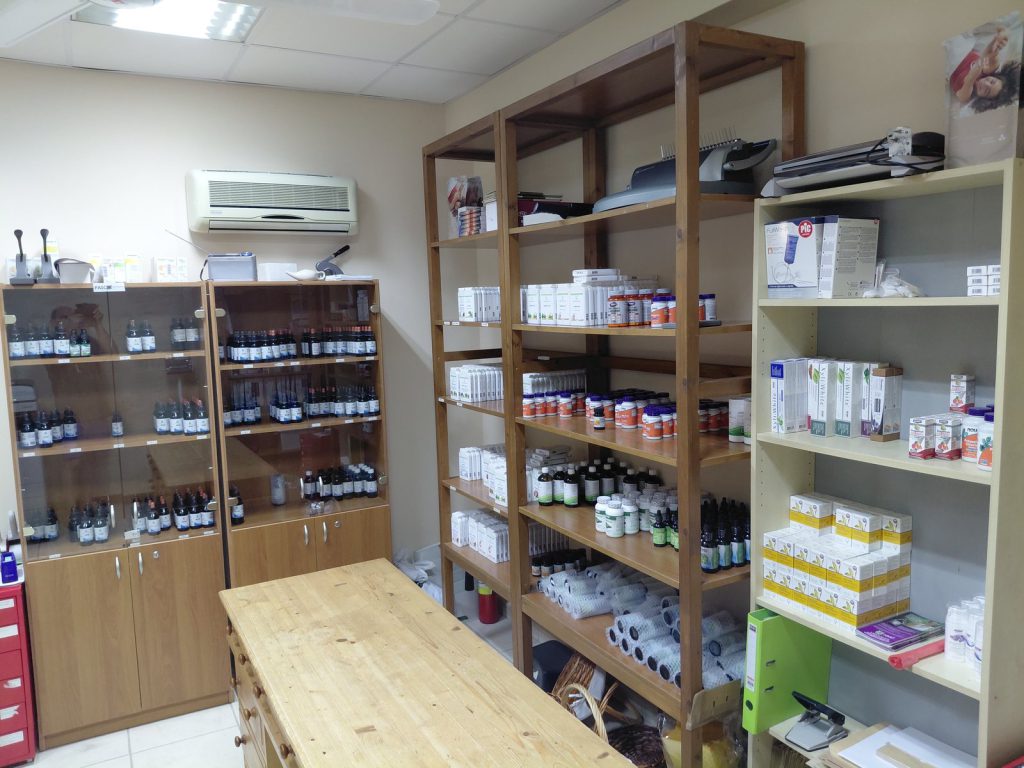
Remedies at the Da Vinci Centre
The objective
What the IDEL programme looks at
The IDEL programme aims to explore, and where possible reduce, factors that may be contributing to your health concerns, such as:
Explore and reducepossible contributing factors
Energetic
Mental
Emotional
Biochemical
Structural
Physical
Microbial
Chemical
Electromagnetic
Toxigenic
Environmental
07Learn more
The IDEL Model
Watch these two videos for more about the IDEL programme, explained by Dr. George in a presentation to the British Naturopathic Association in the UK.
If you find this approach meaningful and logical and are serious about paying us a visit to Cyprus, then feel free to complete the CLIENT ASSESSMENT FORM and email this to [email protected] – we will respond with specifics to your case.