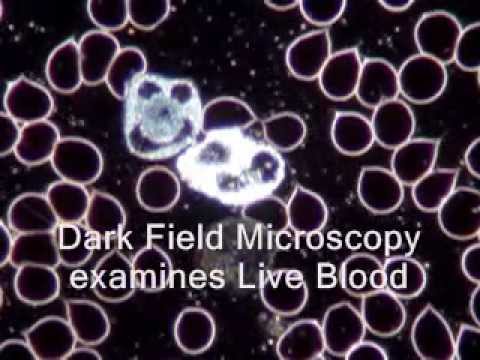
Red blood cells
01Understanding live blood analysis
A live view, not a fixed sample
Live blood analysis involves the examination of a small, freshly collected blood sample under a dark-field microscope. Unlike traditional blood tests that analyze fixed and stained blood samples, LBA provides a dynamic and immediate view of live blood cells. This technique allows for the observation of red blood cells, white blood cells, platelets, and plasma components in their natural state.

02Interpreting live blood analysis
What a single drop can reveal
Live blood analysis provides valuable information about the overall health status and potential imbalances within an individual’s body. A trained practitioner analyzes various aspects of the live blood sample to draw conclusions and guide recommendations for improving health. Here are some key elements observed during LBA:
Red Blood Cell Integrity
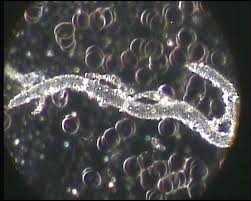
The shape, size, and movement of red blood cells are observed during LBA. Healthy red blood cells are round, evenly shaped, and exhibit optimal movement. Distorted shapes, clumping, or sluggish movement may indicate nutrient deficiencies, oxidative stress, inflammation, or other health issues.
White Blood Cell Activity
White blood cells play a critical role in the immune response. LBA allows for the evaluation of white blood cell activity, such as their mobility, quantity, and ability to engulf foreign particles (phagocytosis). Abnormalities in white blood cell behavior may indicate infections, inflammation, or immune system dysfunctions.
Nutritional Imbalances
Live blood analysis can provide insights into potential nutritional imbalances. For example, the observation of certain crystal formations or abnormal cell structures may suggest nutrient deficiencies or impaired nutrient absorption. Addressing these imbalances through dietary adjustments and supplementation can promote improved health and vitality.
Acid-Base Balance
LBA allows for the assessment of pH levels within the blood. An imbalance in acidity or alkalinity can impact overall health. Observing the presence of crystalline formations or altered blood cell behavior can provide indications of pH imbalances that may require dietary modifications and lifestyle changes.
Toxicity and Oxidative Stress
LBA may reveal signs of toxicity and oxidative stress within the blood. Observation of excessive debris, free radicals, or disrupted blood cell structures can suggest an increased toxic burden or inadequate antioxidant protection. Identifying and addressing these factors is crucial for supporting detoxification and reducing oxidative stress.
Other conclusions from LBA
Depending on the irregularities found in the blood, there are a wide variety of different conditions that can be determined. The following are just a few examples:
Indication of low immune status
- Liver and spleen stress
- Vitamin and mineral deficiencies
- Hormonal imbalances
- Fungal infections
- Parasite infestation
- Digestive problems
- Atherosclerotic predisposition
- Heavy metal toxicity
- Predisposition to degenerative diseases

Your practitioner
Dr. George Georgiou
Dr. Georgiou has been studying Live Blood Microscopy for many years and is a Fellow of the Royal Microscopy Society, UK. He studied with the late Michael Coyle, one of the only accredited trainers in the Western world. He now teaches the LIVE BLOOD ANALYSIS DIPLOMA COURSE to many international practitioners.
Studying Live Blood Microscopy for many yearsFellow of the Royal Microscopy Society, UKTeaches the Live Blood Analysis Diploma Course
05Watch