

01Why quitting is so hard
The energetic imprint of nicotine lingers on
Giving up smoking can be challenging because nicotine dependence has both physical and behavioural components. When smoking stops, falling nicotine levels may cause cravings, irritability, anxiety, restlessness, difficulty concentrating, disturbed sleep and increased appetite. These symptoms are often most noticeable during the first few days, although cravings associated with stress, routines and familiar situations may continue for longer.
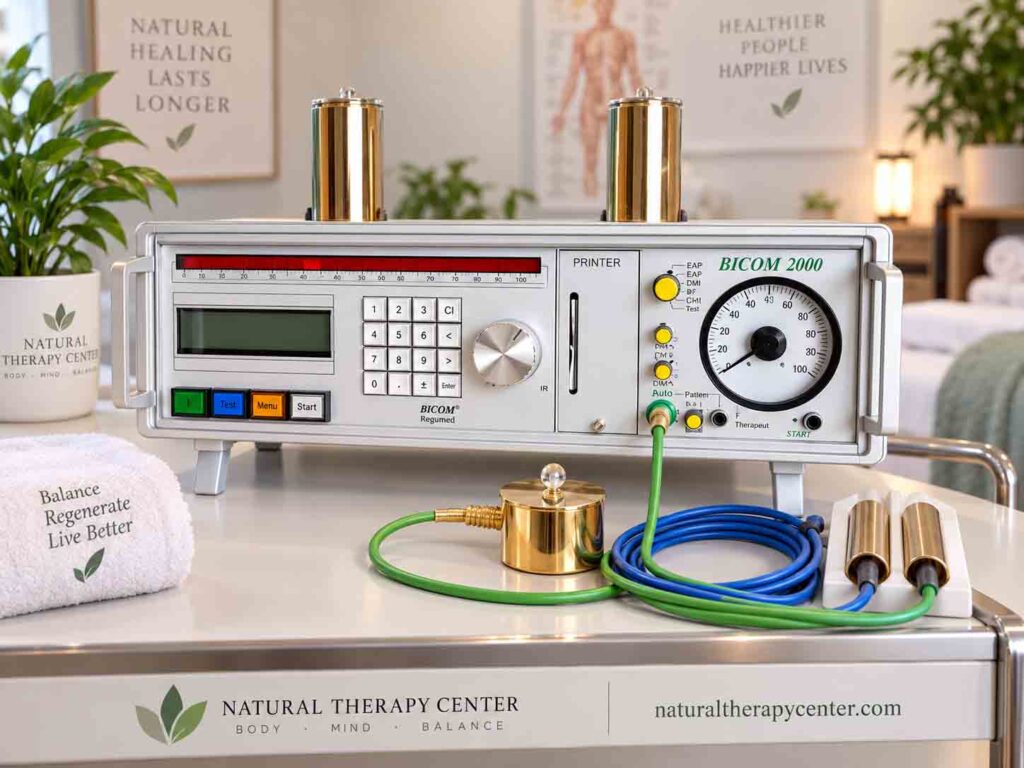
BICOM bioresonance has been offered by some complementary practitioners as part of a stop-smoking programme. Some clients report that they find the sessions relaxing or helpful in strengthening their commitment to quit. However, scientific evidence supporting bioresonance as a treatment for nicotine dependence remains limited, and a specific success rate cannot be guaranteed.
Nicotine is processed relatively quickly, but overcoming dependence involves more than eliminating nicotine from the body. The nervous system has adapted to its regular presence, while habits such as smoking after meals, with coffee or during stressful situations can continue to trigger cravings. This is why preparation, behavioural support and an effective plan for managing triggers are so important.
At the Da Vinci Natural Health Centre, BICOM may be offered as an optional complementary wellness service alongside practical lifestyle guidance and motivational support. It is not a medically established smoking-cessation treatment and should not replace evidence-based help from a doctor, pharmacist or recognised stop-smoking service.
The most effective approach may include counselling together with approved options such as nicotine-replacement products or prescribed stop-smoking medication, where medically appropriate. Results vary, and no complementary programme can guarantee that a person will stop smoking after one session.
02Phase cancellation
Removing the imprint, stopping the craving
At the Da Vinci Natural Health Centre, BICOM bioresonance is offered as an optional complementary service for people who have made a clear decision to stop smoking. Each programme is tailored to the individual and is intended to support motivation, relaxation and the management of habits associated with smoking.
The programme normally consists of three bioresonance sessions over approximately ten days. Before beginning, the client should be personally committed to stopping smoking and prepared to make practical changes to routines that may trigger cravings.
We have worked with many clients who felt that this structured approach helped them during the quitting process. However, responses vary, and bioresonance cannot be claimed to remove nicotine or cigarette chemicals, eliminate cravings or guarantee that someone will stop smoking.
Bioresonance is a complementary wellness approach rather than an established medical treatment for nicotine dependence. It may be used alongside counselling and recognised stop-smoking support from a doctor, pharmacist or specialist cessation service.

Your practitioner
Dr. George Georgiou, Ph.D.,N.D.,D.Sc (AM)
Dr George J. Georgiou is an experienced naturopathic practitioner, Chartered Biologist and holder of a Doctor of Naturopathy degree (N.D), and a Doctor of Science in Alternative Medicine - D.Sc (AM). His multidisciplinary background also includes training in clinical nutrition, herbal medicine, homeopathy and complementary wellness approaches.
For more than 20 years, Dr Georgiou has incorporated BICOM bioresonance into his naturopathic practice. He uses it as part of a broader, individually tailored programme that may also consider nutrition, lifestyle, stress, smoking habits and the personal circumstances that can influence a client’s ability to stop smoking.
His approach is supportive and non-judgemental. Rather than relying on bioresonance alone, he encourages clients to understand their smoking triggers, prepare for cravings and develop practical strategies for maintaining their decision to quit.